Clean Energy

Bloomberg New Energy Finance currently covers all areas of clean energy, energy efficiency, hydrogen and fuel cells.

We define the following 15 sectors as making up the clean energy industry:

Clean Energy & Bioenergy Sectors

Biofuels
Liquid transportation fuels including biodiesel and bioethanol. These can be derived from a range of biomass sources, including sugar cane, rape seed (canola), soybean oil or cellulose. Our database excludes producers of base biomass, but includes suppliers of everything from the processing technologies and equipment, through the logistics of distribution, to manufacturers of energy systems which are specially adapted for the use of biofuels and products, and the services on which they depend.

Biomass, solid waste and biogas
Production and consumption of solid and gaseous fuels derived from biomass. Solid biomass for the energy sector can include a number of specially-grown crops, such as elephant grass or coppiced willow, but it can also consist of crop residues such as straw. We include in this sector processors of other waste matter for energy generation, such as sewage waste, chemical by-products and biogas produced from municipal waste, as their exploitation often involves the same technologies as grown-for-purpose biomass. Increasingly we are seeing developers, generators and utilities enter this sector.

Geothermal
Geothermal power has long played a part in the energy mix of countries with obvious geothermal resources, such as Iceland and Japan. Recent advances in two areas, however, mean that geothermal energy can play an increasing role worldwide: new drilling techniques allow users to tap into resources that had been too deep to access; and new ways of extracting useful power from lower temperature geothermal fields allow productive use of resources that could not have been used economically in the past.

Small Hydro (<50MW)
There may seem little new about hydroelectric power. Indeed at New Energy Finance we don't cover large-scale hydroelectric power projects. However, there are interesting developments in small-scale and low-head hydro power, and even very small scale hydro solutions. Hydro power is undergoing a renaissance and has a lot to contribute to the deployment of renewable energy globally.

Marine
The Marine sector covers all technologies relating to extraction of energy from the sea. Possibilities include waves and tide, either via tidal barrages or tidal flow generators. Note that exploitation of marine biomass would be categorised in biomass, rather than in this sector.

Solar
The Solar sector covers all technologies which capture energy directly from the sun. These include direct production of electricity using semiconductor-based photovoltaic (PV) materials, use of concentrated sunlight to heat fluid to drive power generation equipment (solar thermal electricity generation or STEG), and passive methods which use solar to replace fossil fuel energy, for example to heat water. The photovoltaic sector is the largest of these in terms of investment volume, while passive is the largest in terms of fuel saved and carbon dioxide emissions reduced globally. However, PV is expected to dramatically reduce costs through new technologies and increased manufacturing scale, and is expected to break into new areas of energy demand over the coming decades.

Wind
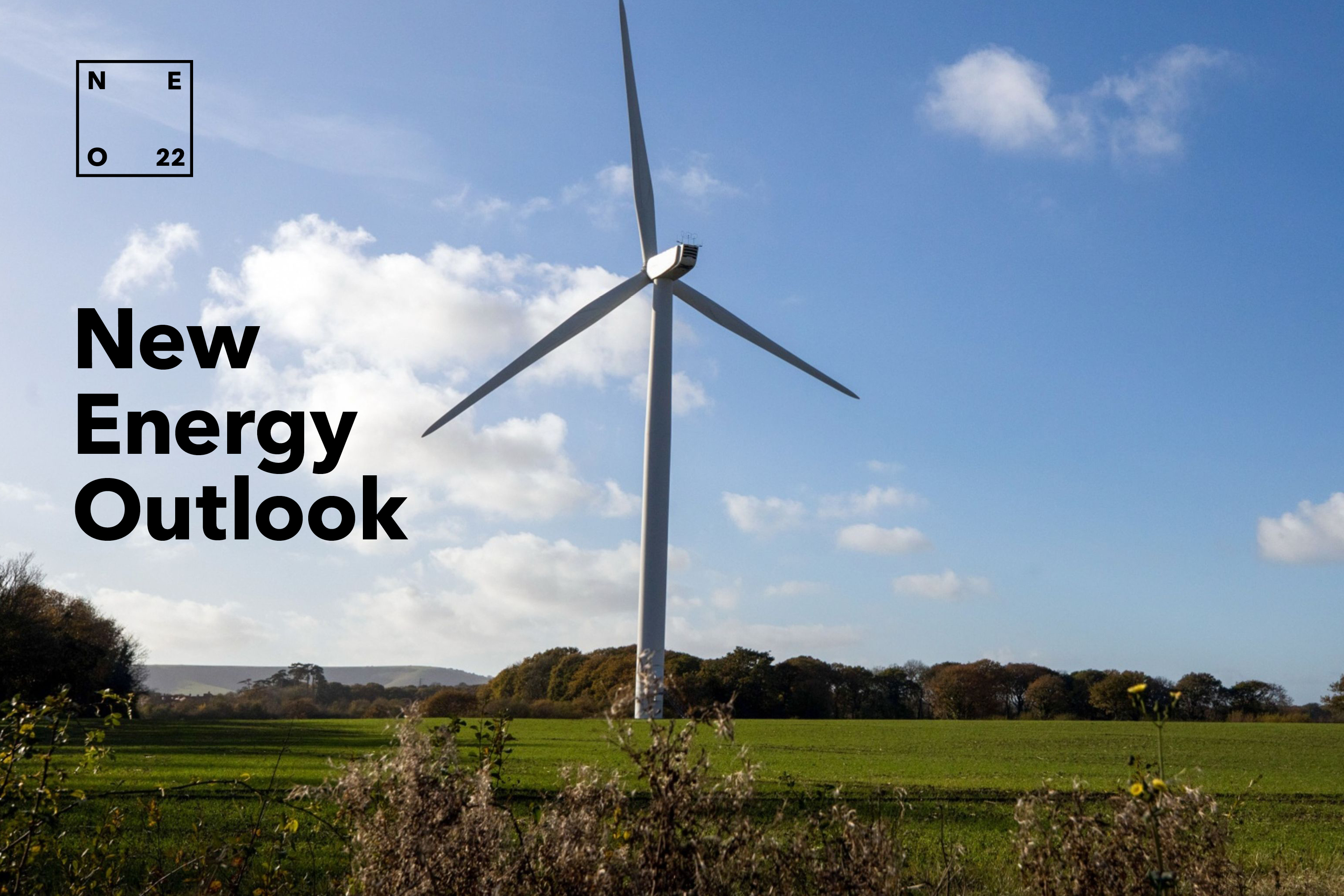
Wind is the renewable technology that has had the biggest impact on our energy usage patterns over the past decade. The next decade will see continued activity, particularly in developing countries and offshore. The Wind sector includes components and subassemblies for wind turbines as well as manufacturers of turbines themselves. A big part of this sector, however, consists of the various developers, generators, utilities and engineering firms that have sprung up to exploit opportunities to build wind farms around the world.


Other Sectors

Services & Support
The rapid growth of the clean energy industry will require the development of a complete sector of service companies dedicated to serving the needs of technology and equipment suppliers, owners of renewable energy and biofuels assets, and so on. In this sector we put providers of information and research (such as ourselves), specialised clean energy financial services companies, consultants and the like.

In addition to these 14 sectors, which make up the clean energy industry itself, the Bloomberg New Energy Finance Intelligence includes details of other active and important organisations of two types: the general financial services industry, and the Governments, NGOs and policy-makers. The Carbon Markets covers all aspects of the carbon markets.

For more information, please contact us on info@newenergyfinance.com.

Sign up for our free News Headlines

LATEST PRESS RELEASE